Sustainability has become one of those things almost every association agrees matters. Ask them whether it belongs on the agenda, and the answer is overwhelmingly yes. Ask them whether it’s actually built into how they plan and run their events, and the picture changes considerably.
According to research cited in a recent industry guide, The State of Sustainability in Associations, published by ICCA and Destination Canada, 66% of associations consider sustainability highly important. Fewer than 34% have embedded it into their operations. Only 3% describe their programme as advanced. Somewhere between those two numbers sits a gap that a lot of the industry’s sustainability conversation tends to skip over: not whether associations care, but why caring hasn’t translated into doing.
Part of the answer is structural. Associations rarely run a single event in a single place. Many manage recurring congresses, annual conferences and regional meetings across different destinations, suppliers and planning cycles, which makes consistency, not intent, the harder problem. Applying the same sustainability standard in Berlin this year and Bangkok the next requires more than good intentions; it requires comparable data and partners who can actually deliver against it. Perceived cost, patchy access to reliable destination data, and a fragmented supplier landscape round out the rest of the picture. Associations, in other words, don’t lack conviction. They lack a consistent way to act on it across a portfolio of events that rarely looks the same twice.
Addressing the Gap
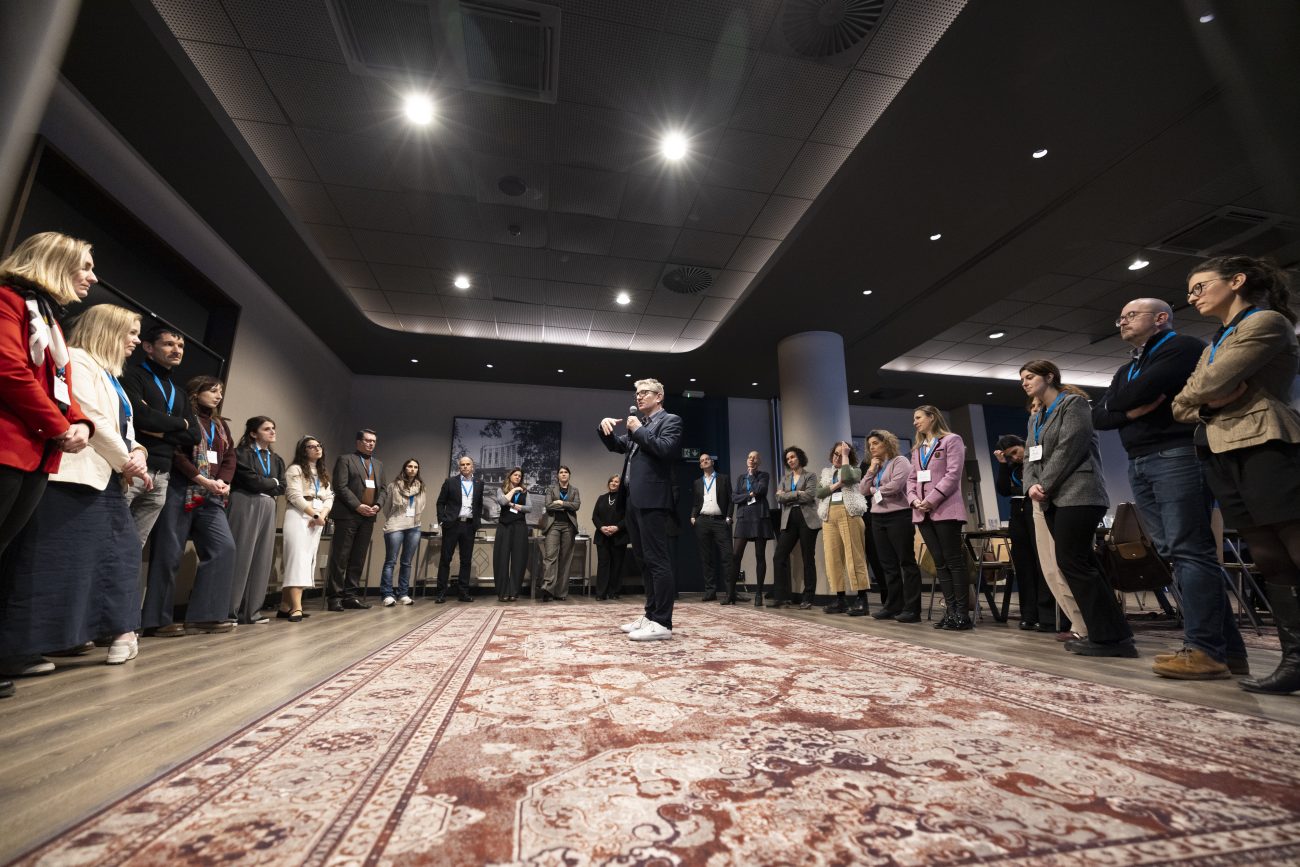
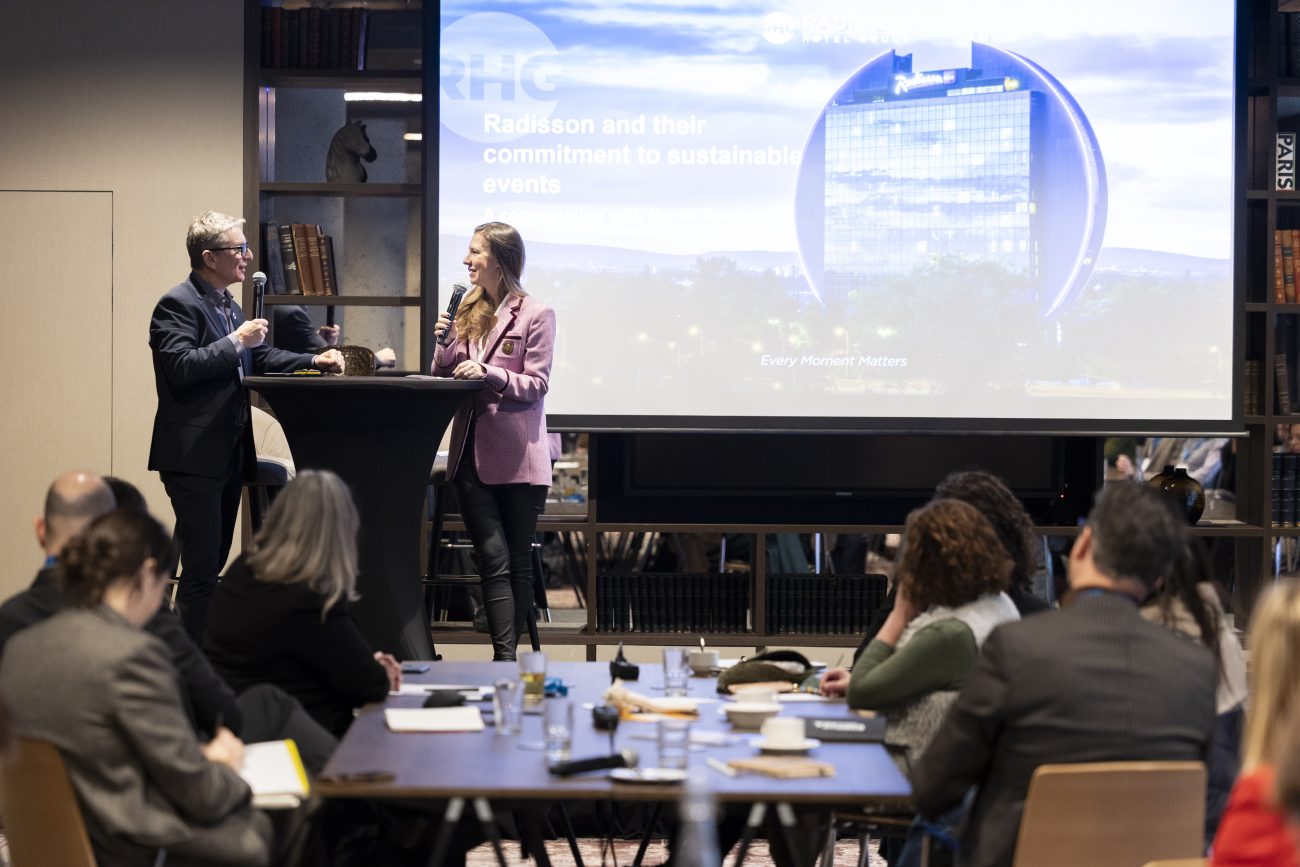
That is the specific gap a new guide called Accelerating Sustainable & Regenerative Events: A Guide for Associations & PCOs was built to address. It was produced by Radisson Hotel Group (RHG) in partnership with GDS-Movement, and developed from a working session held at the Radisson Collection Hotel, Grand Place Brussels, co-hosted with the European Society of Association Executives and Copenhagen Convention Bureau. More than 30 representatives from hotels, associations, PCOs, CVBs and venues took part.
“The industry does not have a sustainability awareness problem; it has an implementation challenge,” says Inge Huijbrechts, Chief Sustainability and Security Officer at Radisson Hotel Group. “As a global hospitality company, we work closely with associations, event organisers and destinations around the world and understand the practical barriers they face. This guide is designed to move the conversation from ambition to action by providing planners with practical tools, trusted frameworks and stronger collaboration models.”
Much of that framework rests on the GDS-Index, a benchmarking system that scores destinations against 74 indicators aligned with the UN Sustainable Development Goals and the Global Sustainable Tourism Council’s Destination Criteria. For an association comparing host cities, this matters less as a badge and more as a translation tool: it’s a way of making one destination’s sustainability claims genuinely comparable to another’s, rather than taking each city’s own marketing at face value.
“Destinations play a pivotal role in accelerating the transition toward sustainable and regenerative events,”says Guy Bigwood, CEO and Chief Changemaker of GDS-Movement. “Through the GDS-Index, we help destinations measure and improve their sustainability performance while providing event organisers with the information they need to make informed decisions. Collaboration between destinations, venues and suppliers is essential to creating events that generate meaningful social, environmental and economic value.”

That word – collaboration – turns out to be the guide’s real argument. Closing the gap isn’t presented as something an association can do alone, or something a single supplier can solve on their behalf. It depends on destinations, venues and accommodation partners working to comparable standards, so that an association’s sustainability requirements survive the move from one host city to the next.
The guide sets out five practical starting points: bring destination partners into the planning process earlier, prioritise suppliers with real sustainability credentials, design social impact and legacy outcomes into the event from the outset rather than adding them afterwards, factor low-carbon mobility into delegate planning, and put measurement and reporting frameworks in place that can travel across multiple events, not just one.
Working across destinations
The data behind those recommendations gives associations a genuine starting point rather than a general aspiration. Across GDS-Index destinations where RHG operates, 59% of hotel rooms are third-party certified, alongside 43% of PCOs and 74% of major congress venues, figures that let a planner gauge, before they commit to a city, whether a credible supplier base actually exists there. Some destinations go further still: Basel provides free public transport cards to all convention visitors, while Berlin offers a €25-per-attendee subsidy for meetings that demonstrate low-carbon mobility, waste reduction or responsible sourcing.
Radisson Hotel Group’s own numbers are presented in the guide as one example of what a consistent supplier baseline can look like in practice, rather than a headline in themselves. As of 2024, 58% of the group’s hotel portfolio was either verified under its Hotel Sustainability Basics standard or held a third-party eco-label such as Green Key. Under its “Think Planet” pillar, the group reports a 33% reduction in carbon emissions per square metre and a 21% reduction in energy footprint per occupied room, both measured against a 2019 baseline. Meetings booked through the Group are carbon-compensated by default. For an association building an RFP, figures like these function less as marketing and more as a baseline they can hold a supplier to, and compare against other bids.
None of this removes the work associations still have to do. The guide is explicit that even strong supplier credentials only help if associations actually use them: asking for GDS-Index scores in an RFP, requesting a destination’s legacy and mobility toolkits, or negotiating sustainability commitments into a subvention agreement rather than assuming they come standard. Only 20% of destinations offering subvention currently package it with structured sustainability or legacy support, which suggests the tools exist well before most associations think to ask for them.
For associations that want a more structured route into this, Radisson Hotel Group has built its Association Signature Events offer around the same idea: dedicated event professionals, a single point of contact through planning and delivery, and sustainability credentials built into the property rather than added as an afterthought. It’s a fairly narrow claim, and a reasonable one: not that any single hotel group closes the sustainability gap on its own, but that a consistent, certified partner makes it considerably easier for an association to close it themselves, one destination at a time.
The full guide, Accelerating Sustainable & Regenerative Events: A Guide for Associations & PCOs, is available at radissonhotels.com.