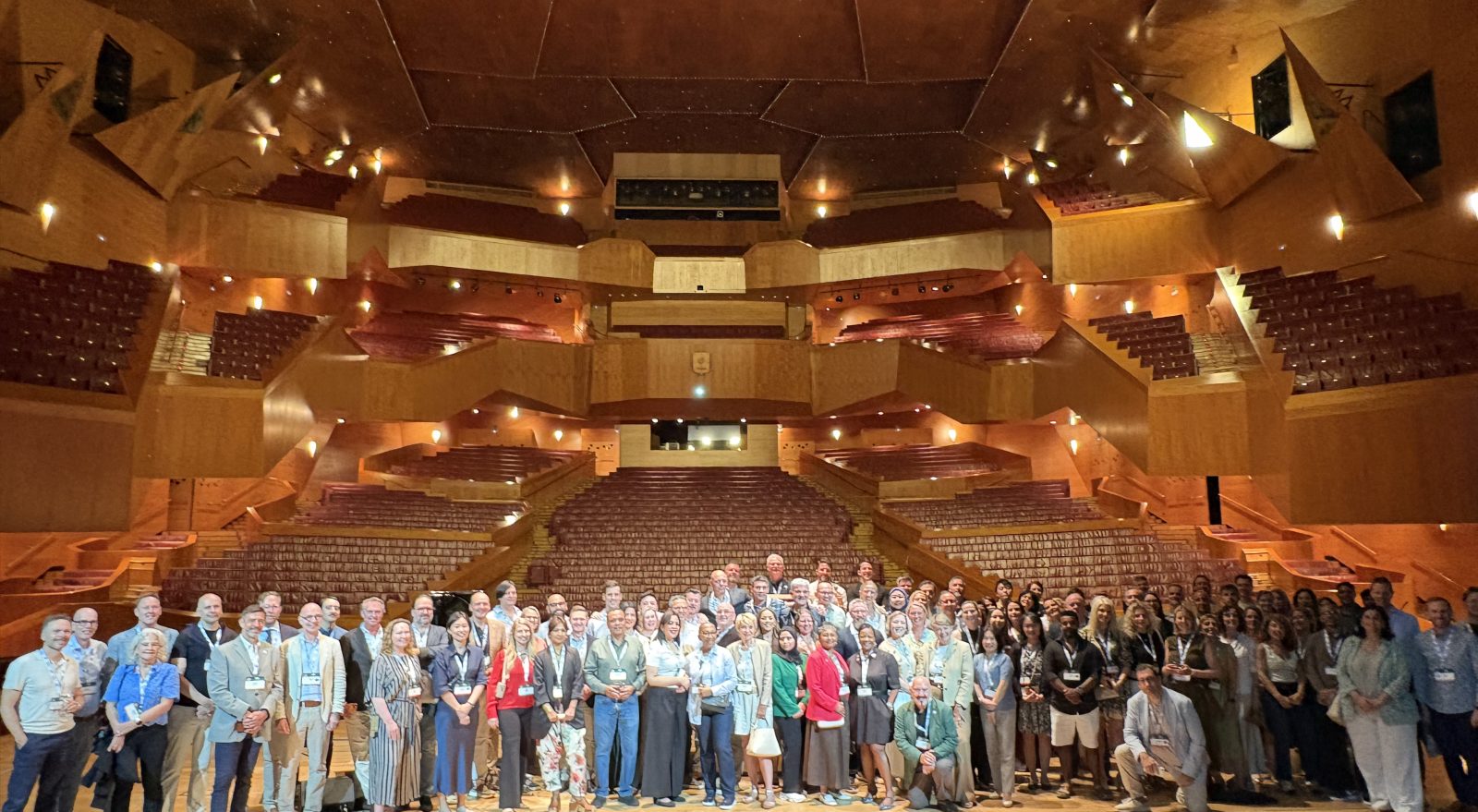
From counting delegates to asking what changed
Irene Chan, CEO of AsiaWorld-Expo Management Limited, put it plainly in her session on how events shape destinations: events are “catalysts” within a destination’s wider ecosystem, not one-off transactions to be measured and forgotten. The industry, she argued, is shifting away from a transactional view of meetings towards something closer to legacy. The question is no longer simply how many delegates came, but what changed because they came.
For an association, it goes to the heart of what a congress is for. Delegate numbers, hotel nights and sponsorship revenue still matter, and no organisation is about to stop counting them. But an association exists to advance a profession or a cause, and its congress should be judged, at least in part, against that mission: did it spark new research collaborations, put local professionals in the room with international experts, or leave knowledge behind that outlasts the closing session?
Chan pointed to Skytopia, Hong Kong’s airport-adjacent development, as a working example: an integrated ecosystem of culture, leisure and business, including a venue built to hold up to 20,000 spectators – a deliberate bet on Hong Kong’s long-term positioning, built for the legacy an event leaves rather than just the capacity it fills.
Bilbao: a destination transformed by an ecosystem
Bilbao itself made the point without anyone needing to say it out loud. The city is usually reduced to a single building: the Guggenheim and its now-familiar silhouette. But one of the sharpest observations to come out of AIPC was that Bilbao’s transformation can’t be pinned on any one landmark. As Taubie Motlhabane, CEO of the Cape Town International Convention Centre, said: “iconic buildings do not transform destinations. Long-term vision, collaboration and leadership do.” For her, that was one of the biggest takeaway from the week.
That distinction is key for the association market. A destination capable of hosting an international congress is no longer simply one with a convention centre, enough hotel beds and decent flight connections: the strongest destinations demonstrate something closer to an ecosystem, with venue, city authorities, universities and local businesses pulling in the same direction. Bilbao didn’t just host the conversation about transformation at AIPC; by the end of the congress, it had become the evidence for it.
For associations, that reframes the question asked when choosing a destination. It stops being simply “Can you accommodate our congress?” and becomes closer to: “What can our congress contribute to your destination, and what can we gain in return?”
AIPC 2026: Celebrating the Next Generation and Innovation
Future Shapers: Team Future Ready
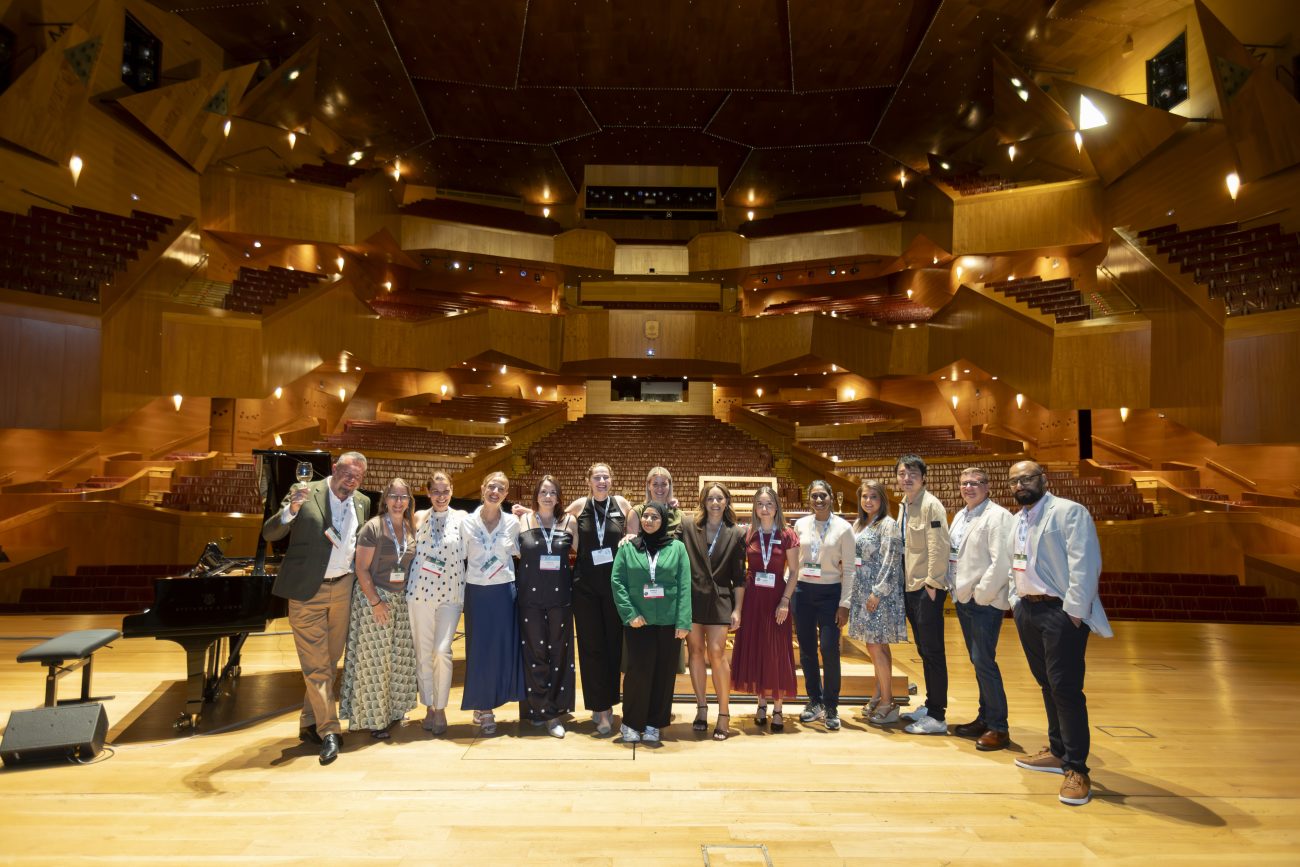
The Future Shapers programme once again spotlighted the next generation of convention-industry leaders. Team Future Ready won this year’s competition with Venue IQ, a concept for how technology and data can help venues better understand and respond to changing client and delegate needs.
Double win for Kuala Lumpur Convention Centre
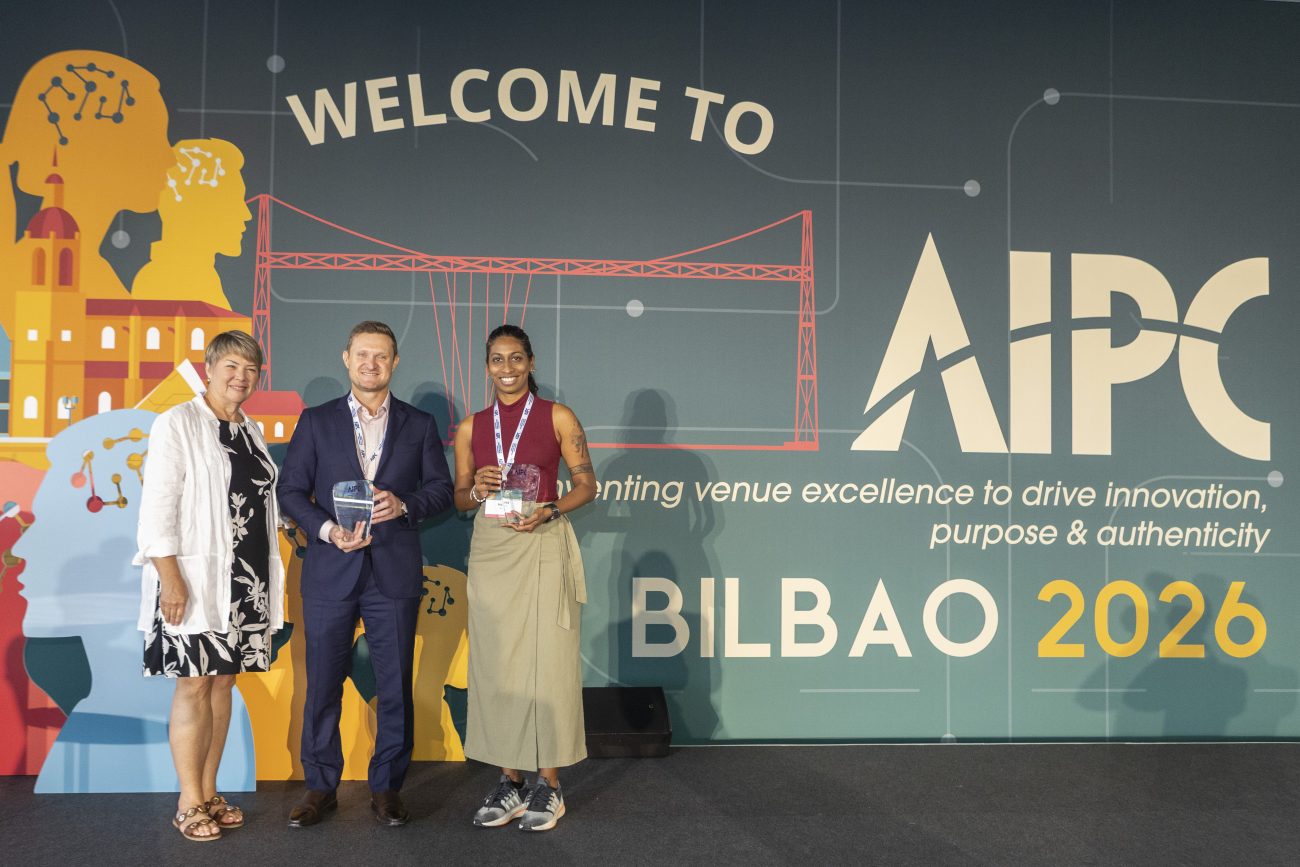
Kuala Lumpur Convention Centre (KLCC) was the standout winner of the 2026 AIPC Innovation Awards, taking home both the Overall Winner Award and the Delegates’ Choice Award – the first time in the awards’ history that one project has won both, and a reminder that innovation matters most when it improves the experience and impact of meetings themselves.



Accessibility is part of the experience
John Sage, founder and CEO of Accessible Travel Solutions, delivered the conference’s most deliberately provocative line: “Accessibility is the new sustainability.” His argument was that venues themselves are gradually becoming more physically accessible – ramps, lifts, accessible toilets are increasingly a given – but that the events built inside those venues can still fail delegates in ways that have nothing to do with the building. According to figures cited at the conference, 93% of attendees with disabilities encounter some form of barrier during an event.
That’s a critical distinction. Accessibility can’t begin and end with whether a venue has a ramp: it has to run through the entire delegate journey: registration, transport, hotels, signage, seating, the digital platforms used to navigate the programme, catering, and the networking events that often matter as much to delegates as the sessions themselves.
For an international association, that means building accessibility into congress design from the start, not bolting it on as a checklist weeks before doors open. Done properly, it doesn’t just remove barriers for some delegates; it tends to produce a better experience for everyone in the room.
People remain at the centre
Perhaps the most reassuring message to come out of Bilbao was that none of this displaced the human dimension of a congress. Amanda Wrathall, CEO of the Edinburgh International Conference Centre, reflected afterwards that it was the “ideas, conversations and friendships” she’d gathered that would stay with her long after the flight home.
Her observation goes to the heart of why association meetings exist at all. Technology can sharpen discovery, personalisation and efficiency, and AI is already changing how venues run. But the fundamental reason members still get on a plane for a congress is a human one: to meet people, exchange ideas in person, and build trust that’s genuinely difficult to replicate through a screen.
The real legacy of Bilbao
AIPC 2026 leaves the industry with a deceptively simple challenge. Convention centres must keep innovating, but innovation can’t be treated as an end in itself. Destinations may compete internationally, but that competitiveness can no longer be measured only in visitor numbers. And associations must keep delivering increasingly sophisticated congresses, but the event itself shouldn’t be treated as the finish line.
The more useful question is the one Irene Chan brought into the room: what changed because they came? If that becomes part of how associations, venues and destinations actually design and evaluate their meetings, rather than an afterthought raised in a post-event survey, then Bridging the Gap will have outgrown its role as a conference theme. It will have become a new way of defining the value, and the legacy, of bringing people together in the first place.
Watch the conference video, published by Bilbao’s Euskalduna centre here.
A feature on accessibility, written by John Sage, will be published by Boardroom at a later stage.