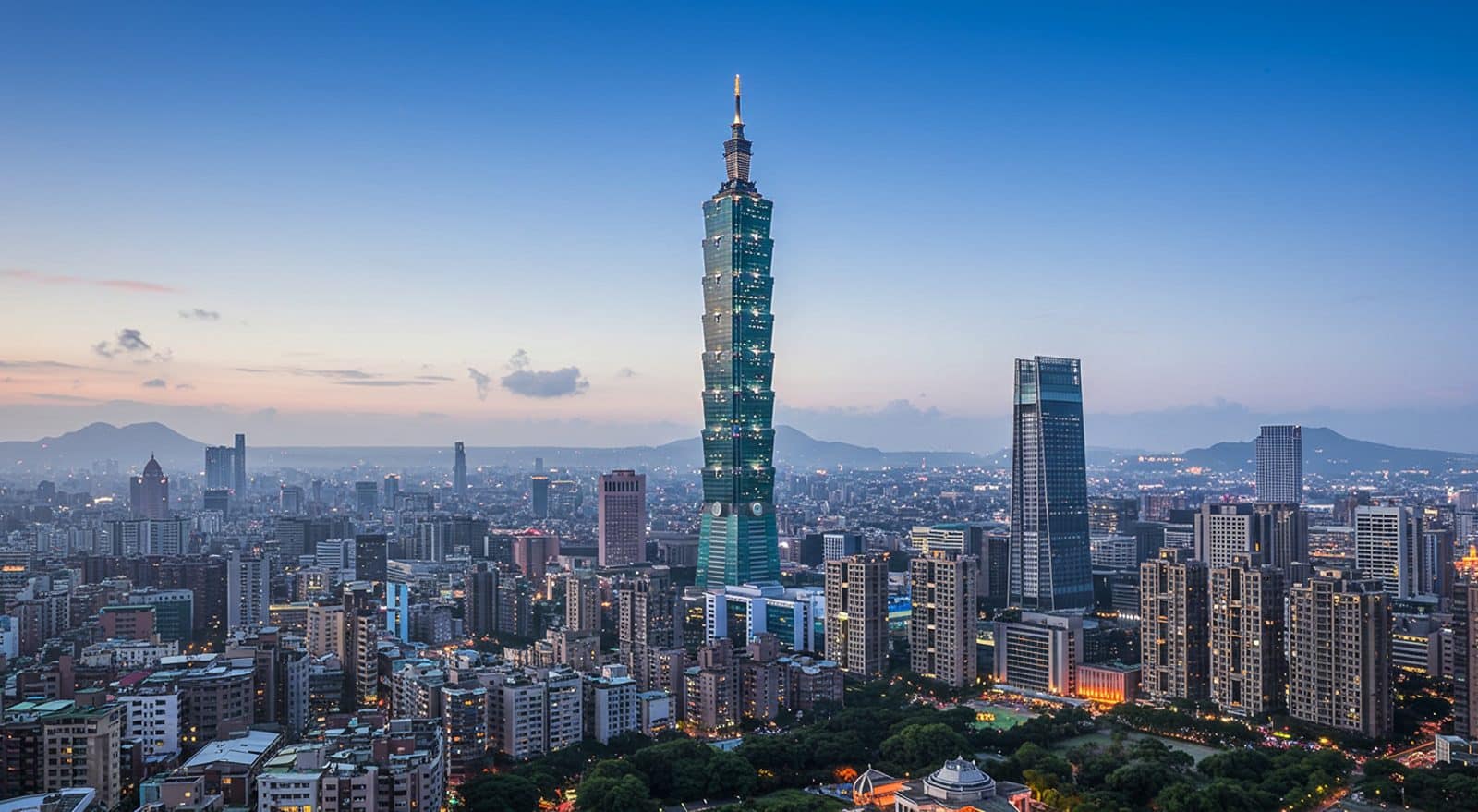
 Taipei, Taiwan
 Taiwan’s combination of efficient urban and intercity transport, accessible city resources and practical destination information gives delegates the flexibility to use their time according to their own priorities, whether that means continuing a conversation over food, exploring their surroundings, shopping, taking a break or fitting in an informal business meeting.
That value works in both directions, and it is often industry-specific. Taiwan’s economy is built around distinct regional clusters – semiconductor and electronics manufacturing centred on Hsinchu and Taichung, precision machinery and tooling further south, shipping and logistics around the port city of Kaohsiung. A delegate attending a related congress is rarely just visiting a venue; they are stepping into the supply chain the agenda is actually about.
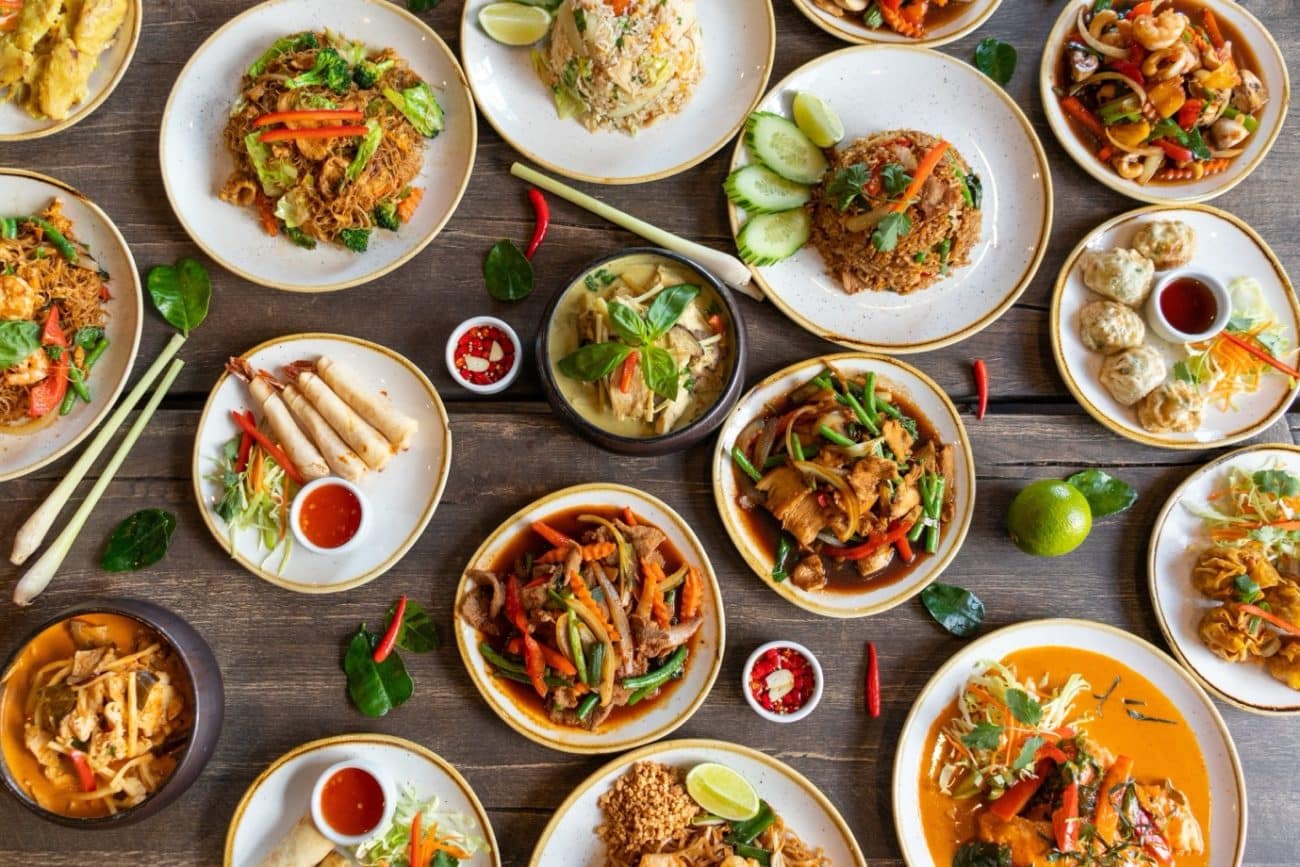
The same holds true away from any one industry. Each MICE city carries its own character beyond the conference centre – Taipei’s density and night markets, Tainan’s older temples and street food, Kaohsiung’s harbour-front pace – and food runs through all of it, from a fast bowl of beef noodle soup between sessions to a proper sit-down meal with colleagues. Neither experience needs organising. Both are simply easier to find when the time to look for them already exists.
For associations looking more closely at member experience, the point is not to fill every available hour with additional programming. It is to create the conditions in which delegates can make useful choices for themselves, turning time beyond the formal agenda into another part of the value a destination can offer.
Designing for choice
The traditional approach to extending a conference experience has often been to add an organised tour or social programme. Those remain valuable, but they assume delegates want to spend their free time in the same way. They do not.
A short 30-minute gap between sessions might be enough only for a quick espresso near the venue or a short walk to reset before the next panel. Someone attending an international congress may have 90 minutes between commitments and want lunch somewhere nearby. A two-hour window opens up more scope: enough time to sit down properly for a meal, wander a little further from the venue, or fit in a short informal meeting before returning. Another may have half a day and want to explore. Others might prioritise shopping, a quiet coffee or an informal meeting with colleagues they only see once or twice a year.
The relevant question for organisers therefore becomes less about how much additional programming they can provide and more about whether delegates can make practical choices independently. That requires three things: manageable distances, transport that does not require extensive planning and useful information adapted to the amount of time actually available.
Taiwan’s transport network provides much of that underlying infrastructure. Taiwan High Speed Rail connects 12 stations along the western corridor, from Nangang and Taipei through Taichung and Tainan to Zuoying in Kaohsiung, with trains reaching speeds of 300 km/h. The wider Taiwan Railway network extends connections through major cities and smaller destinations, while international gateways include Taoyuan, Kaohsiung, Taichung and Taipei Songshan airports.
Within Taipei, the practical barriers are lower still. The Taipei Metro accepts stored-value cards such as EasyCard and iPASS, while EasyCard can also be used across buses, light rail and YouBike.

From free time to useful information
Mobility only solves half of the problem. A delegate still needs to know what can realistically be done from a particular venue within the time available.
This is the thinking behind Taiwan Biz Fun, MEET TAIWAN’s platform aimed specifically at people travelling to Taiwan for business events. Rather than presenting Taiwan as one long catalogue of attractions, the platform organises information around major MICE locations in Taipei, Taoyuan, Taichung, Tainan and Kaohsiung.
Its “Quick Access” and “Fun Map” functions connect the business-event venue with surrounding possibilities, effectively giving delegates a starting point based on where they already are. That distinction is more useful during a congress when it takes account of location and the practical limits of a delegate’s schedule.
Take that 90-minute gap between sessions as a concrete case. Rather than defaulting to whatever restaurant sits closest to the venue entrance, a delegate can use Taiwan Biz Fun to see what is realistically reachable on foot within the venue’s MICE district, factoring in the walk back with time to spare before the next session starts. The same logic scales in either direction: a 30-minute break narrows the search to what is immediately on the doorstep, while a half-day window opens it up to options further along the same district.
The result can complement, rather than compete with, the formal conference. An unscheduled meal can continue a discussion that started during a session. A few free hours can provide some contact with the host city. A delegate who needs downtime can take it without feeling that another compulsory activity has been added to an already intensive programme.
Extending beyond the venue
From an organisation point of view, making this work starts well before delegates arrive. Destination knowledge has to become part of the planning process.
MEET TAIWAN, the country’s main MICE contact point, provides organisers with venue and itinerary suggestions, administrative assistance and connections to local partners. For international conferences, its support also extends to bidding tools, site inspections, recommendations for professional congress organisers and service providers, and coordination of government resources.
That creates an opportunity to consider the delegate journey alongside the logistics of staging the congress itself. The venue remains fundamental, but so does what surrounds it.
Not every minute of a congress needs to be programmed to create value. In fact, leaving some of it open can create a different kind of value. Taiwan’s approach combines the infrastructure that allows people to move efficiently with destination tools designed to make the possibilities around a conference easier to understand.
Discover now how MEET TAIWAN and Taiwan Biz Fun can help delegates make more of their time in Taiwan – inside and beyond the conference programme.
Ad by TITA