The 16th International Coral Reef Symposium ran at the New Zealand International Convention Centre (NZICC) in Tāmaki Makaurau Auckland from 19 to 24 July 2026, pulling in 2,115 delegates from 93 countries – well past what organisers had expected – for one of the world’s leading scientific conferences on coral reef conservation, climate science and ocean sustainability.
Tourism New Zealand Business Events and the Auckland Convention Bureau secured the event alongside Victoria University of Wellington, with support from the Wildlife Conservation Society’s Fijian office and the University of Auckland.
A meeting place for Pacific voices
The symposium marked the first time the International Coral Reef Symposium had been hosted in Oceania. Auckland was chosen for having the infrastructure and accessibility to host a major international conference, and for its strong cultural, scientific and geographical ties to the Pacific.
Chair of the ICRS local organising committee, Simon Davy, Professor of Marine Biology, Victoria University of Wellington, said: “Auckland is a hub for the Pacific region. The Pacific Ocean covers around one-third of the Earth’s surface and contains more than 25 per cent of the world’s coral reef area, supporting a wide variety of unique and endemic species – from fish and plant life to microscopic bacteria.”
The location did more than put the Pacific’s coral reef systems in the spotlight: it opened space for Pacific peoples’ own perspectives and knowledge, reinforcing the case for combining Indigenous knowledge with scientific research on reefs worldwide.
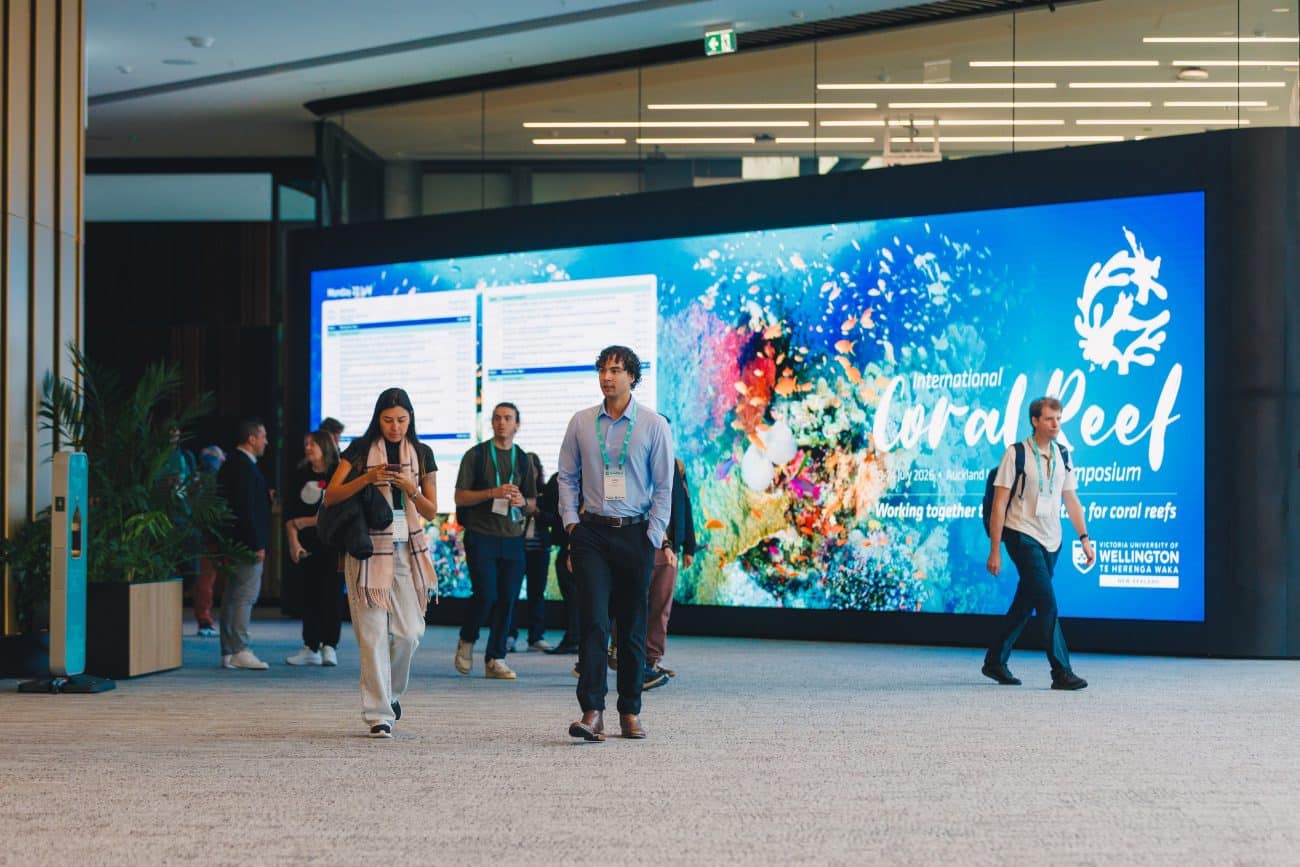
Davy noted, “Tāmaki Makaurau has strong connections to its Pacific Island neighbours, and as the city with the world’s largest Polynesian population, Auckland provides an unparalleled opportunity to feature Pacific peoples’ knowledge and traditions for reef management. When looking for a conference destination, we wanted a location that was well connected and welcoming of diverse voices, to find solutions to the threats facing coral reefs.”
The event also funded places for 20 Pacific Island delegates, broadening access to the global scientific conversation and strengthening the Pacific voice in the room.
NZICC delivers in its largest global conference to date
It was the largest international conference the New Zealand International Convention Centre has hosted to date: plenary speakers, hundreds of technical sessions across multiple concurrent streams, poster presentations, workshops, networking and a gala banquet, all inside one venue, and proof of what NZICC can run at scale.
The NZICC’s own sustainability programme aligned with the event’s ethos, and its city-centre address put more than 8,000 hotel rooms (plus, of course plenty to eat and do!) within walking distance.
Māori artwork throughout the venue, and a traditional pōwhiri welcome delivered in partnership with local iwi Ngāti Whātua Ōrākei, connected delegates to the culture and hospitality of Tāmaki Makaurau Auckland and Aotearoa New Zealand.
Co-Chair of ICRS Dr Stacy Jupiter, Executive Director of the Global Marine Program at the Wildlife Conservation Society, described the venue as “world-class, fully equipped to welcome all our delegates from around the globe.”
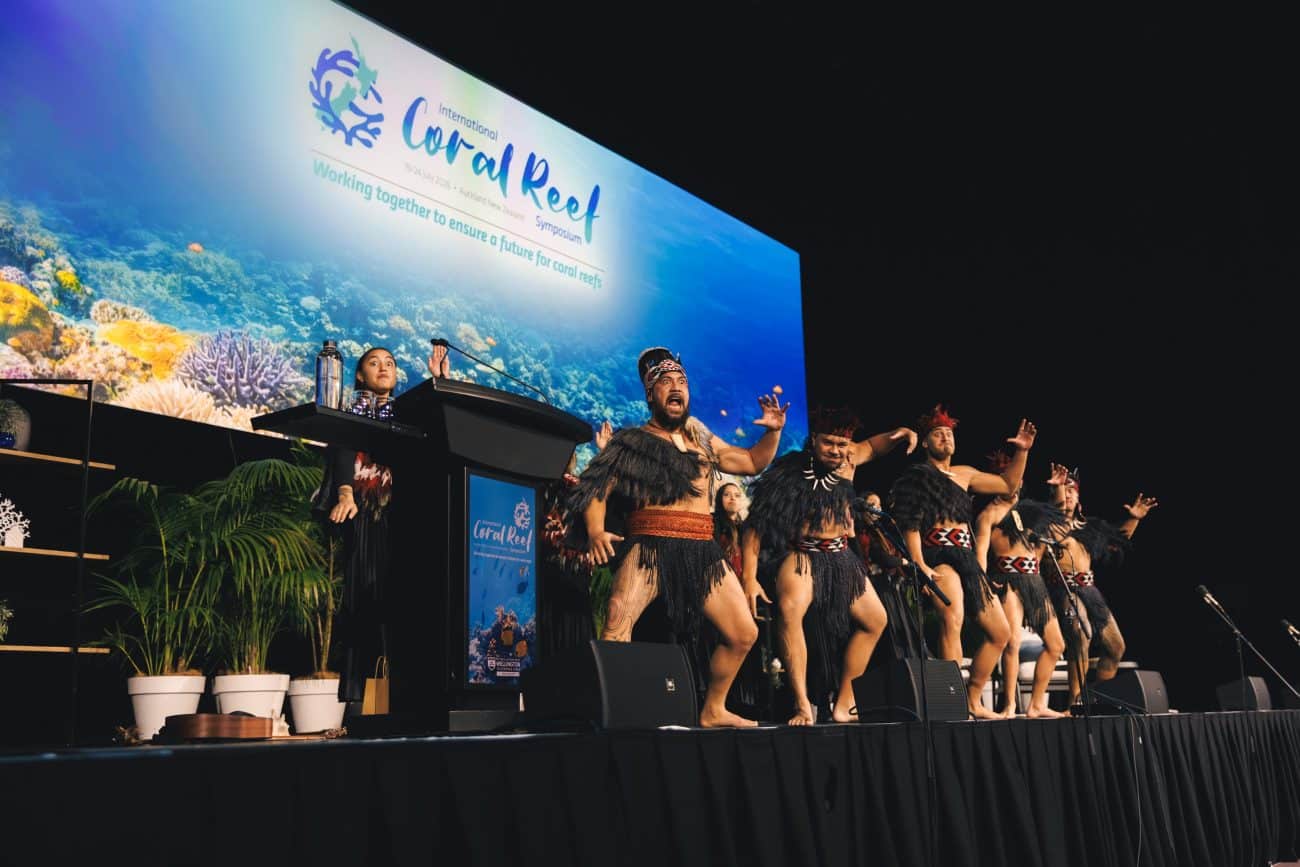
ICRS leaves an important legacy
The symposium generated an estimated $7 million in direct economic impact for Auckland’s hospitality, accommodation and tourism sectors. But the bigger legacy sits beyond the visitor economy: a platform for knowledge transfer, collaboration and future research partnerships aimed at protecting coral reefs and the communities that depend on them.
Tourism New Zealand General Manager New Zealand and Business Events Bjoern Spreitzer put it plainly: “We’ve got experts from all around the world. They’re really grappling with the big questions.”
Sessions dug into threats from global warming and ocean acidification through to human impacts like agricultural run-off, poor fishing practices and coastal development, bringing researchers, policymakers, industry and conservation organisations together to work through practical solutions.
For Tāmaki Makaurau Auckland, ICRS reinforced the region’s standing as a destination for major international association conferences. It also showed how business events can take on a shared global challenge while leaving something lasting for host and delegates alike.
Dr Jupiter said the event had received “only positive feedback so far, with many of the delegates declaring that it is the best ICRS that they have ever attended.”
For information on hosting your next conference in New Zealand, visit businessevents.newzealand.com